
Every few months, it seems like another big brand is making headlines with a rebrand. New logos. New names. Entirely new vibes. And if you’re a business owner, you might be watching these moves and asking yourself:
“Should I be thinking about a rebrand too?”
The truth is, rebranding isn’t just about a shiny, new logo. Done well, it’s a strategic move that can help a business stay relevant, connect with changing customer needs, and even expand into new markets. Done poorly, it can confuse or even alienate loyal customers.
Why Do Companies Rebrand in the First Place?
There are a few common reasons brands decide it’s time for a change:
- To stay relevant. Consumer tastes, design trends, and cultural expectations shift. Brands need to keep up.
- To reflect growth. Businesses often outgrow the product or service they originally started with.
- To refresh a dated look. Sometimes brands just need a modern update.
- To reset after challenges. A rebrand can help shift perception after negative press or reputation issues.
The key takeaway: Rebranding should always serve a larger business goal. It should never be about change for change’s sake.
Let’s review some high-profile national rebrands — Dunkin’, Twitter/X, and Johnson & Johnson — and unpack what smaller businesses can learn from them.
Big Brand Examples (and What They Teach Us)
Dunkin’ (Dropping ‘Donuts’)
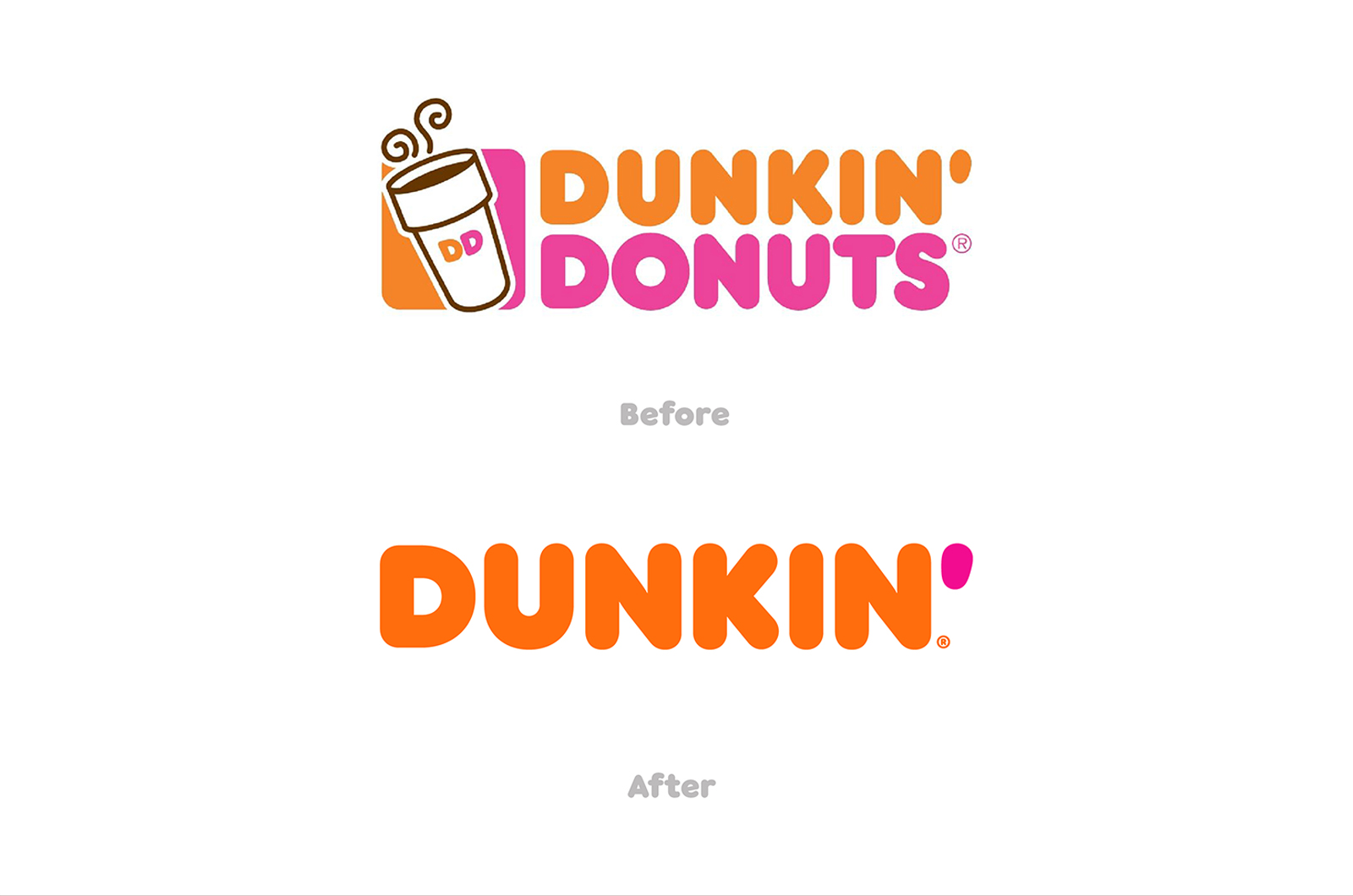
In 2019, Dunkin’ Donuts announced it was dropping “Donuts” from their name, reintroducing itself simply as Dunkin’. Why? The company had expanded far beyond donuts — coffee, breakfast sandwiches, even smoothies. The new name reflected what customers were already buying most: beverages.
The lesson: A rebrand works best when it reflects how your business has evolved.
Business takeaway: If you started out as “Joe’s Plumbing” but now you handle heating, air, and full-service home repair, your name and brand should reflect that growth. Your brand should fit who you are today, not just who you were when you opened your doors.
Twitter → X
Then there’s one of the most controversial rebrands in recent years: Twitter’s sudden shift to X. Elon Musk’s vision was to turn the platform into an “everything app.” The problem? People already had a strong emotional and cultural connection to the “Twitter” brand — the blue bird, the word “tweet,” the identity that had built up over 15+ years.
The result was a lot of confusion, plenty of backlash, and a loss of hard-earned brand equity.
The lesson: Rebranding can be risky if you are abandoning what customers already know and love.
Business takeaway: If you’ve built recognition with your brand name or logo, be very careful before throwing it out. A brand refresh might serve you better than a full overhaul. The last thing you want is for loyal customers to say, “Wait, who are you again?”
Johnson & Johnson (Logo Update)
For over 130 years, Johnson & Johnson used the same handwritten script logo — a version of one of the founders’ signatures. In 2023, they unveiled a new, clean sans-serif logo to match their modern, healthcare-focused identity.
It wasn’t a shocking name change. It wasn’t a total departure. But it made the brand look more current and streamlined.
The lesson: Sometimes small changes are exactly what’s needed to keep a brand feeling fresh.
Business takeaway: You don’t always need to reinvent the wheel. Updating your colors, fonts, or logo styling can modernize your brand while keeping its recognizable elements intact.
When Does a Rebrand Make Sense?
If you’re a business owner, here’s a quick checklist to see if it might be time:
✅ Your offerings have expanded beyond what your current name/logo communicates.
✅ Your brand feels outdated compared to competitors.
✅ You’re targeting a new audience or entering a new market.
✅ Your brand carries baggage or creates confusion.
When to Pump the Brakes
⚠️ You’re just bored with your current look.
⚠️ You want to change things up, but don’t have a clear strategy.
⚠️ You’re ignoring customer recognition and loyalty.
⚠️ You’re changing everything at once without explaining why.
Practical Tips for Small Business Owners
- Start with strategy, not design. Ask: What business problem is this rebrand solving?
- Talk to your customers. What do they associate with your brand? You may find what you think needs changing is actually what they love most.
- Consider a refresh instead of a total overhaul. Sometimes small tweaks make a big impact.
- Work with professionals. A thoughtful rebrand should look good and connect to your business goals.
Big brands spend millions on rebrands — and even they don’t always get it right. The core lesson is clearly that rebranding is about more than a logo. It’s about aligning your brand identity with who are you are and where your business is headed.
If you’re starting to wonder whether your brand still reflects your business today, maybe it’s time for a conversation.
👉 Thinking about a rebrand or refresh? Let’s talk. Our team helps businesses like yours clarify your story and design a brand identity that connects with your customers — today and for years to come.
Reach out to us here, and one of our strategists will be in touch!